You probably used a sailor's expression today without noticing. English picked up dozens of them from centuries of life at sea, and the National Maritime Museum in Greenwich has gathered many of them together. Here are some of our favourites, with the museum's explanations. Some origins are solid; others, as the museum itself notes, are more "rumour" than record — which is half the fun.
The obvious one
Three sheets to the wind. On a sailing ship, if the sails were loose and blowing about in the wind, the ship would lurch from side to side — like a drunken sailor, the museum says. Today it means someone who is fairly drunk. It's the closest thing our shop has to a motto, which is why we prefer our compasses wonky and our crews sober.
Ropes, rigging and knots
- I like the cut of your jib. Different navies cut their jib sails differently, so sailors could tell friend from foe by them. Now it's a compliment on someone's look or manner.
- The bitter end. The very last part of an anchor chain or rope, fully let out. Now it's the furthest point, often of something difficult.
- Copper-bottomed. Copper sheathing on the hull kept off barnacles and wood-boring worms. Now it means reliable.
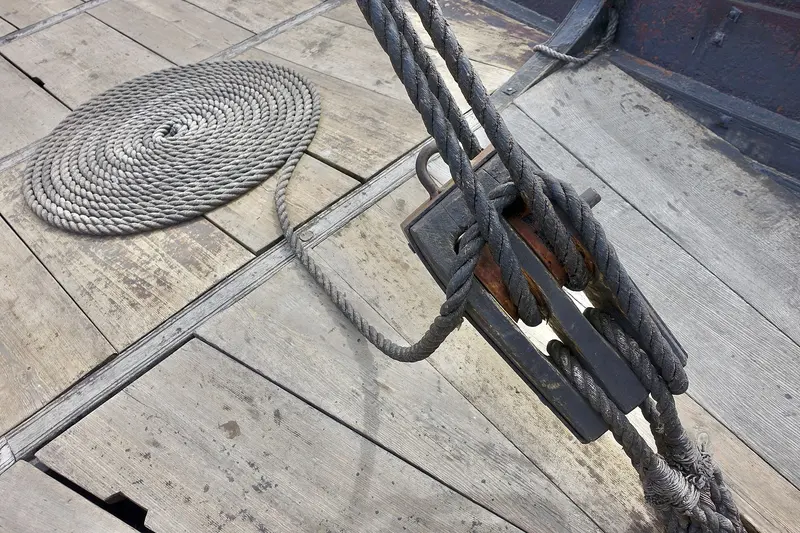
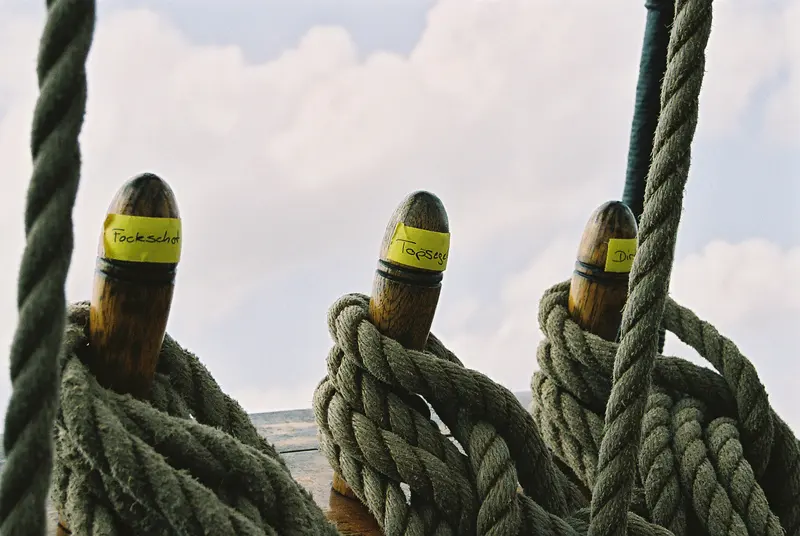
- Learning (or knowing) the ropes. A sailing ship had a bewildering number of ropes, and a new hand had to be shown them all. Now it means being taught a job, or understanding it well.
- At a loose end. Captains kept idle crew busy checking rope ends for fraying. Now it's having nothing to do.
- Make ends meet. Sailors joined rope ends together to make one long piece. Now it means earning just enough to get by.
- Chock-a-block. When the blocks in the rigging were pulled tight together, nothing more could move. Now it means packed full.
- At a rate of knots. Speed was measured by counting the knots on a log line as it ran out. Now it's doing something very quickly.
Life on board
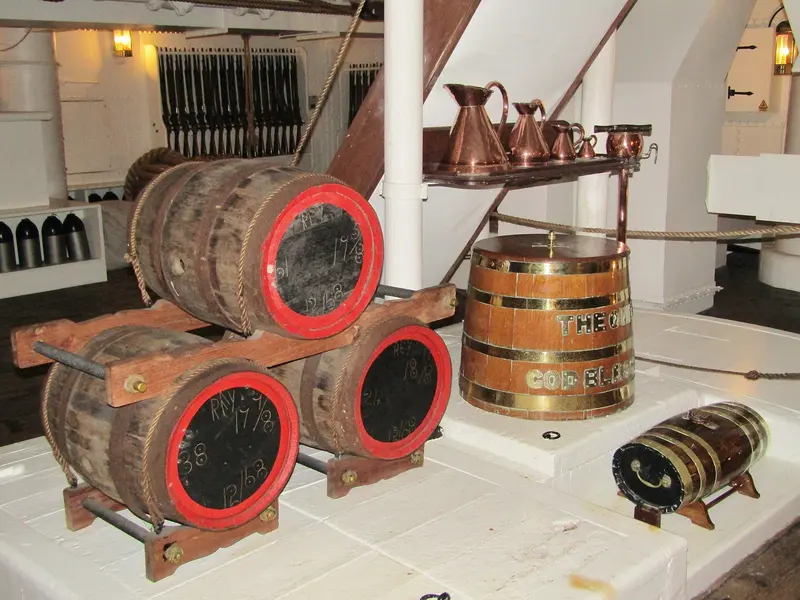
- Groggy. From grog, the sailors' daily ration of watered-down rum. Now it means drowsy, unwell or confused.
- Pipe down. The bosun's whistle signalled the end of the day, when off-duty crew had to be quiet.
- A clean slate. Navigation details were chalked on a slate during each watch, then wiped clean at the end of it. A fine phrase for the new year.
- Not enough room to swing a cat. The "cat" was the cat-o'-nine-tails, a whip — and below deck there wasn't room to use it.
Weather and danger
- Batten down the hatches. Before a storm, hatches were covered with tarpaulin held by wooden battens. Now it means getting ready for trouble.
- Loose cannon. A cannon that broke free of its ropes could crash around the deck and endanger the ship. Now it's a dangerous, unpredictable person.
- Plain sailing. Easy, straightforward sailing — and now anything that needs little effort.
- On an even keel. A ship sitting level and stable in the water; now, steady and predictable.
A note on "down the hatch"
The museum explains that cargo was lowered into a ship's hold through the hatch — the ship "eating" its goods. Today it's a toast. Which brings us back, inevitably, to the song: if you're raising a glass this Christmas, please read our advice for nights out near water.
Puns, ahoy
Most of these phrases have found their way into our designs one way or another. The compasses, at least, have the decency to point somewhere:
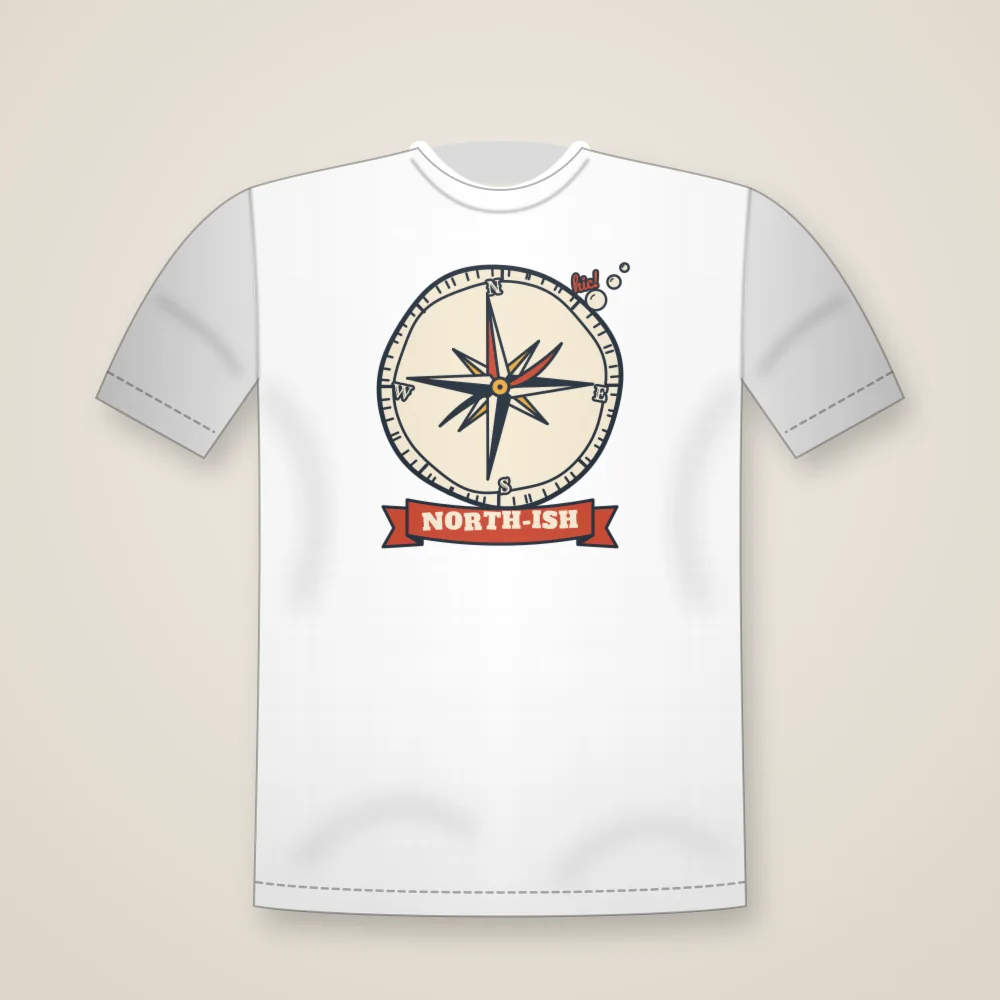 New
Wonky Compass
North-ish, give or take a pint.Available as: T-shirts, Hoodies, Mugs, Tote bags, Posters, Stickers
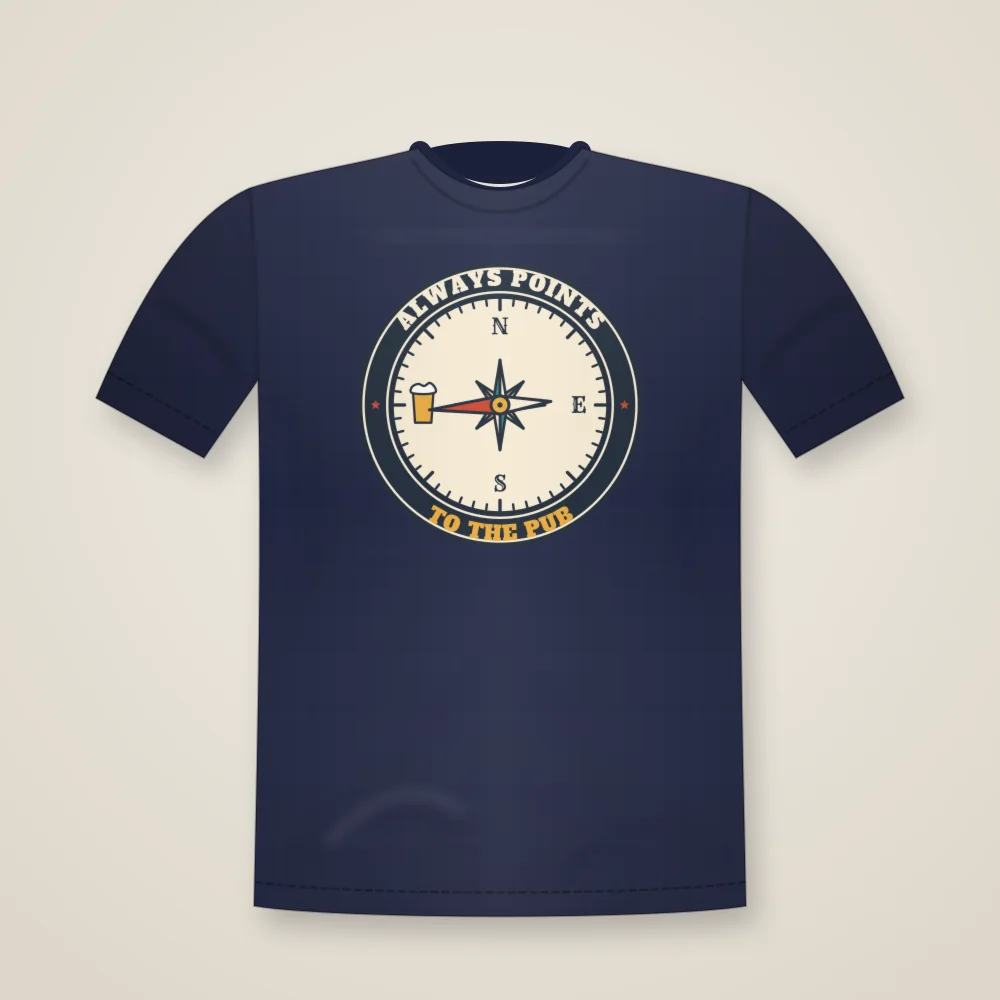
Pub Compass
It only knows one direction.Available as: T-shirts, Hoodies, Mugs, Tote bags, Posters, Stickers
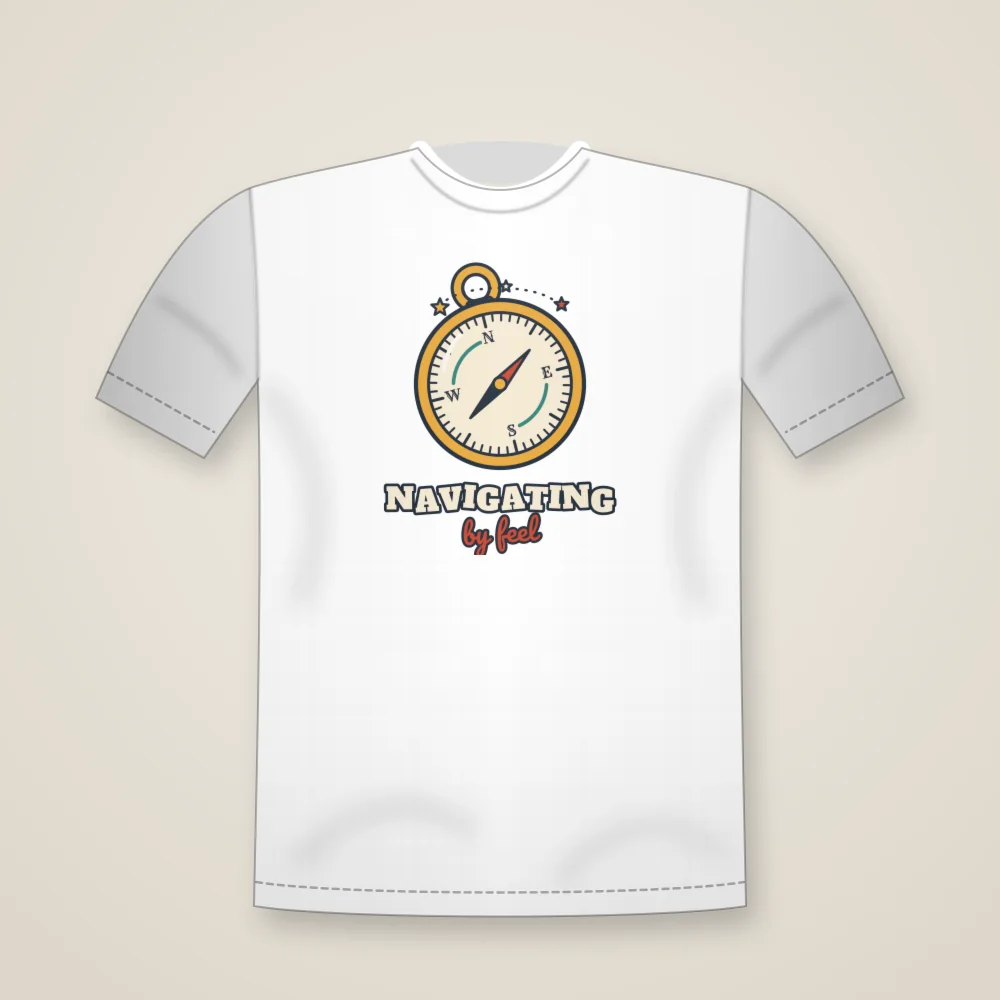 New
Hiccup Compass
Navigating by feel.Available as: T-shirts, Hoodies, Mugs, Tote bags, Posters, Stickers
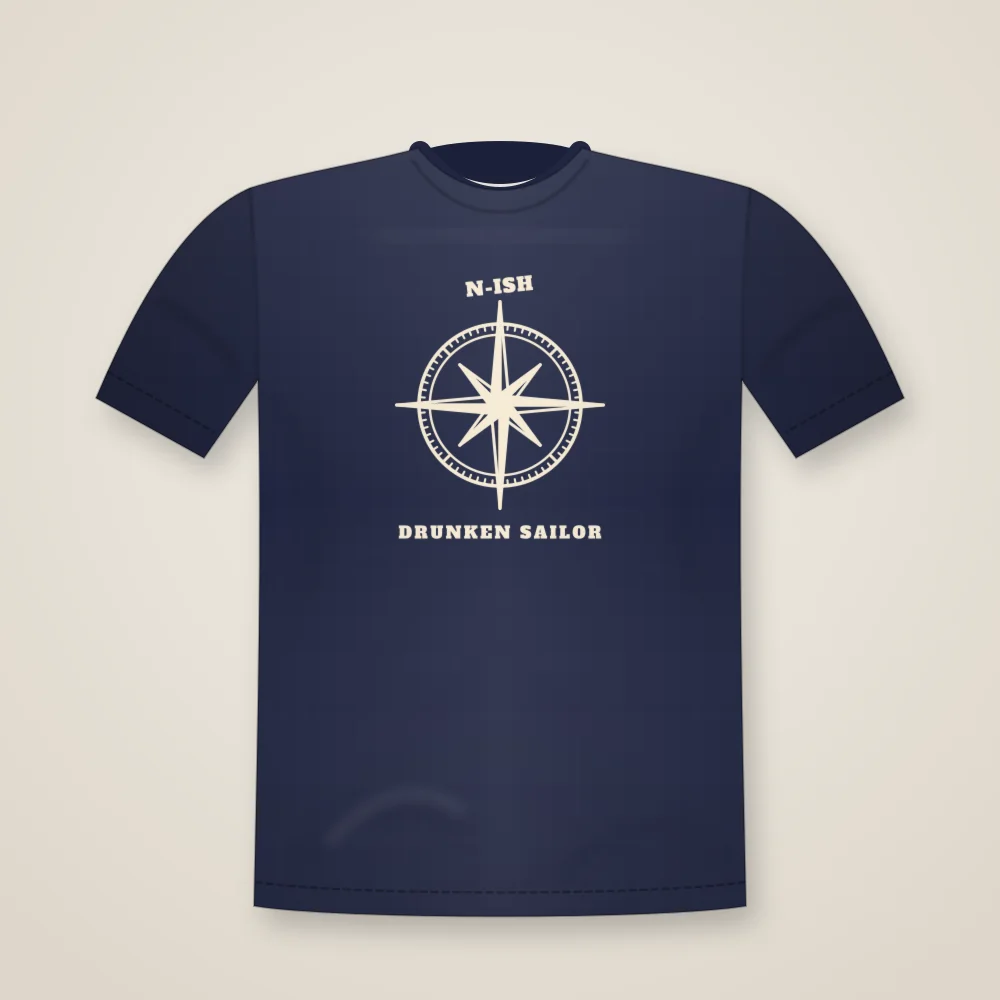
Compass Rose
A quiet chest print with a North-ish wink.Available as: T-shirts, Hoodies, Mugs, Tote bags, Stickers
And if you'd like the real history of the song we're named after, it's on our About page.