Our designs joke about a sailor who's had a few. Real life near water is no joke, and the people who deal with the consequences — fire and rescue services and lifesaving charities — run campaigns every year at this time to say so. This short article passes their advice on.
Why the warnings come in December
The Royal Life Saving Society UK (RLSS UK) runs a campaign called Don't Drink and Drown, backed by fire and rescue services across the country. London Fire Brigade, which supports it, says that 45% of those aged 16–25 who lost their lives to accidental drowning had alcohol and/or drugs in their bloodstream, and that many of them drowned after walking home alone and falling into the water.
The Scottish Fire and Rescue Service says more drownings happen on a Saturday night than any other night of the week, and that many of the people who drown had been drinking. December is full of Saturday nights out.
How alcohol changes things
The Scottish Fire and Rescue Service explains why the two don't mix:
- alcohol lowers inhibitions, so people take risks they wouldn't take sober;
- it impairs judgement and control — the service says alcohol impairs even simple movements;
- if you fall in after drinking, your chances of getting out drop.
It also warns that open water can become very cold just a few feet under the surface, which can cause cramps or cold water shock.
The advice, in a few lines
From London Fire Brigade and the Scottish Fire and Rescue Service:
- If you've been drinking, stay out of the water. Never swim or jump into water from any height after drinking.
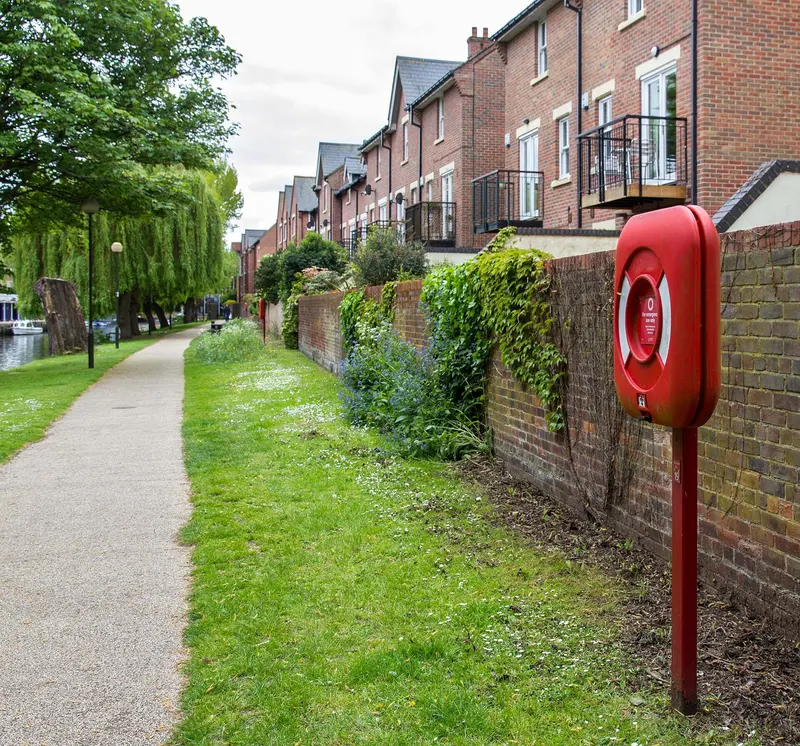
- Don't walk home by the water, even on a lit path. You may not realise how unsteady you are, and in the dark it's harder to see the edge or a trip hazard — and fewer people are around to notice if something goes wrong.
- Don't take shortcuts along the water's edge, especially in the dark.
- Stay together. Keep an eye on friends who have had more to drink, and help them get home.
- Plan the journey before you go out. The Scottish service suggests saving a taxi number in your phone and keeping some emergency money at home, where you can't lose it or spend it.
If someone falls in: call 999. At the coast, ask for the Coastguard. Don't go in after them — you risk becoming the second person in trouble.
HM Coastguard's emergency advice adds: stay on the line, keep the person in sight, tell them to float on their back and stay calm, and look for a lifebelt or throwbag — holding the end of the rope before you throw it.
If you're the one who's had too much
It happens. Ask a friend to see you home, take a taxi even for a short trip, and keep away from the quickest route if it runs by the water. Keeping your phone charged before you go out means you can always call for a lift — or for help.
For the organiser
If you're arranging a works do or a night out in a riverside town, a little planning helps: choose a venue that isn't on the water's edge if you can, book taxis or check the last train in advance, and agree as a group that nobody walks home alone.
A word about our name
"Drunken Sailor" is a traditional song, and our designs are drawings and puns. We want everyone who wears one to get home safely. If you're thinking about cutting down after the festive season, see our article on Dry January and the drinking guidelines.