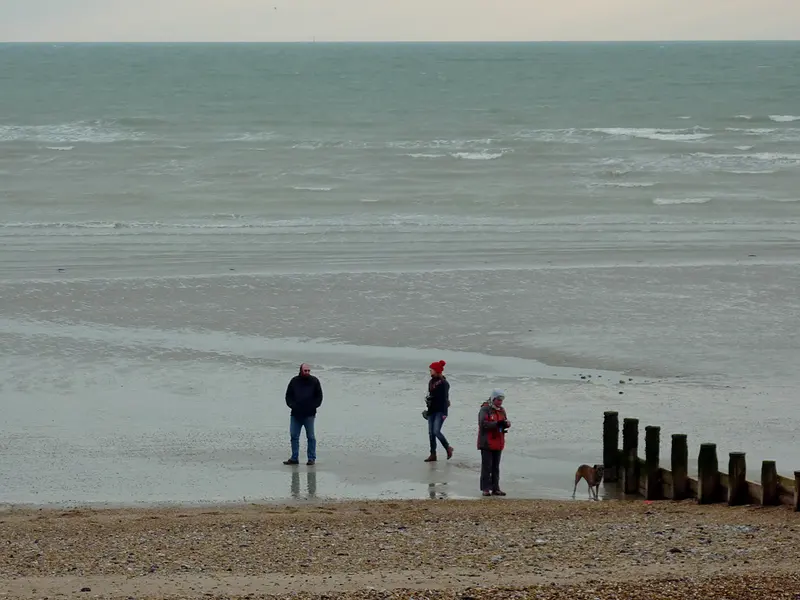
For a lot of people the best part of the holidays is getting out on the coast: a bracing Boxing Day walk along the cliffs, a stroll round the harbour, or — for the brave — a charity dip on Christmas morning or New Year's Day. The sea in winter is magnificent, and it deserves respect. This article gathers HM Coastguard's own advice in one place.
Before you go
HM Coastguard's winter guidance for walkers comes down to a few habits:
- Check the weather and the tides before you decide it's safe to head out.
- Wear the right footwear and clothing for what you're doing.
- Tell someone where you're going and when you expect to be back.
- Take a phone, so you have a way of making contact in an emergency.
The Coastguard also warns that the tide can come in fast — something that is especially dangerous if you get stuck in mud in its path.
Cliffs, mud and big waves
Winter storms bring spectacular seas. Enjoy them from a safe distance. The Coastguard warns that cliffs can be more unstable than they look, that edges may be crumbly or slippery, and that periods of heavy rain often make cliff edges more vulnerable — so stay away from the edge, and don't climb cliffs as a shortcut to the top.
Mud is the other hidden hazard. To the untrained eye, the Coastguard says, patches of mud just look like wet sand. If you do get stuck, spread your weight as much as possible and avoid moving, and call for help.
HM Coastguard is clear: do not try to rescue anyone from cliffs or mud yourself. Call 999 and ask for the Coastguard, who have the equipment and training to do it safely.
Dogs
The Coastguard asks walkers to keep dogs on a lead at the coast, especially near cliff edges. If a dog gets stuck or is swept out, don't go after it: people often put themselves in danger in a rescue attempt. Call 999 and ask for the Coastguard instead.
Festive dips
Christmas and New Year swims are a big tradition in many seaside towns. HM Coastguard points out that winter sea temperatures are typically between 6 and 12°C, and that cold water shock is always possible when the water temperature is 15°C or below. Its tips:
- Don't swim alone. An organised event with safety cover is the best way to take part.
- Bring warm clothes for before and after your dip.
- If you get into trouble, float. The Coastguard's advice is to lean back in the water and float rather than thrash about, while the first shock passes.
And one more, from fire and rescue services: never go into the water after drinking. Our article on Christmas nights out near water explains why.
In an emergency at the coast, call 999 and ask for the Coastguard. If you're deaf, hard of hearing or have a speech impairment, you can text 999 using the emergency SMS service — but you must register your phone first, so do it now.
If you see someone in trouble
From HM Coastguard's emergency advice:
- If there's a lifeguard, tell them.
- Otherwise call 999, ask for the Coastguard, and stay on the line — keep the person in sight.
- Don't go into the water yourself, and stay back from rough seas.
- Tell the person to float on their back and stay calm.
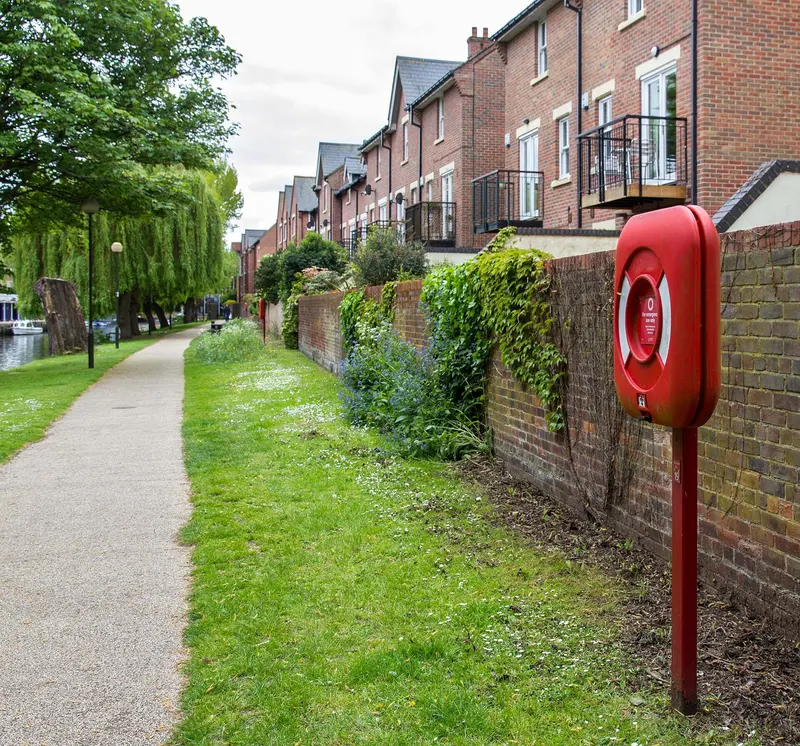
- Look for a lifebelt or throwbag. Hold on to the end of the rope before you throw it.
When you call, the Coastguard will want to know what you saw, where, when, and your name.
Something to look at on the way home
Our lighthouse designs are a little less upright than the real thing — the real ones stand firm so that ships stay off the rocks.
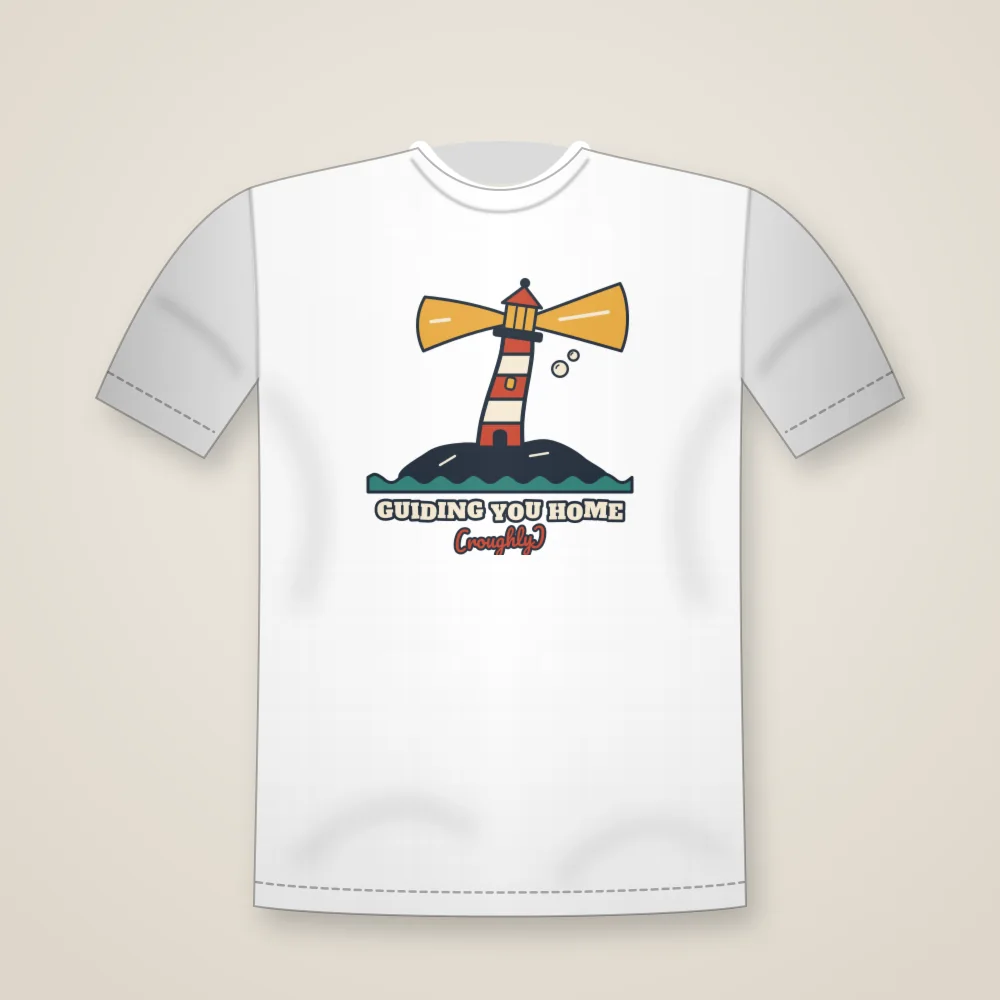
Leaning Lighthouse
Guiding you home (roughly).Available as: T-shirts, Hoodies, Mugs, Tote bags, Posters, Stickers
 New
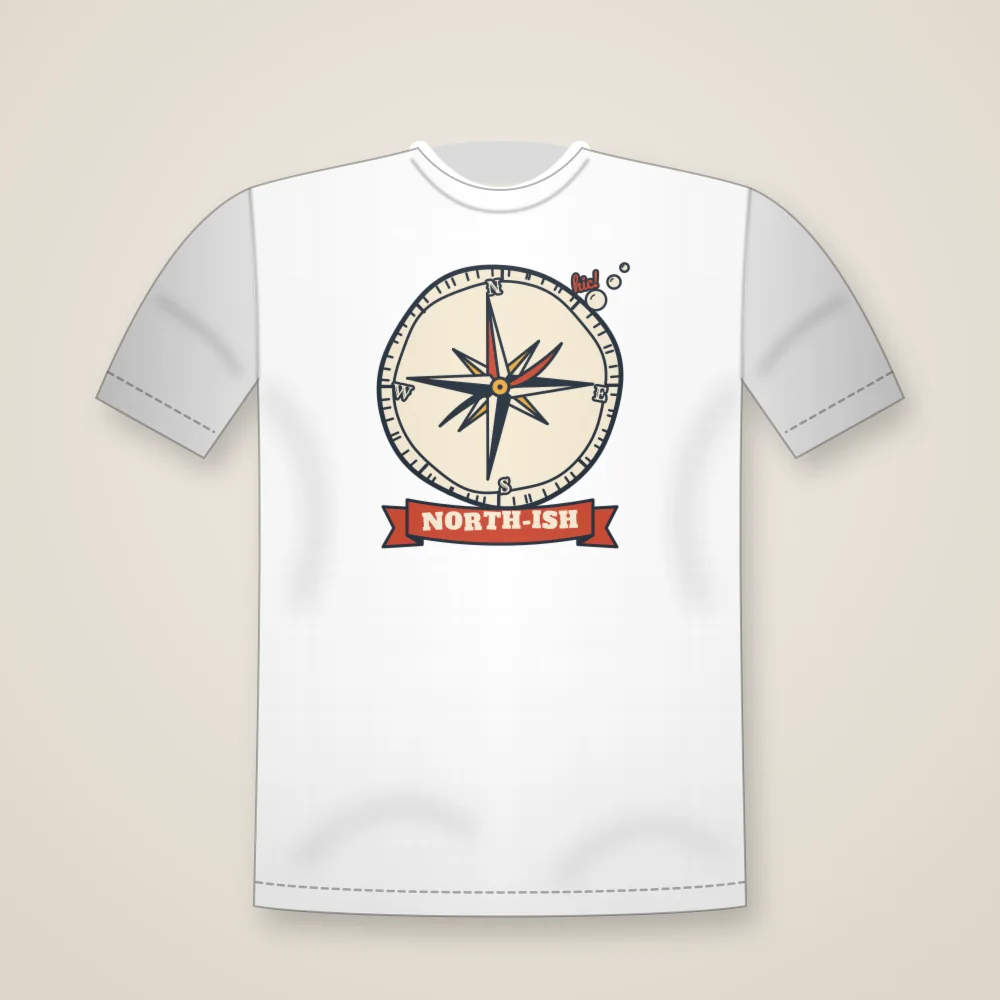
Wonky Compass
North-ish, give or take a pint.Available as: T-shirts, Hoodies, Mugs, Tote bags, Posters, Stickers
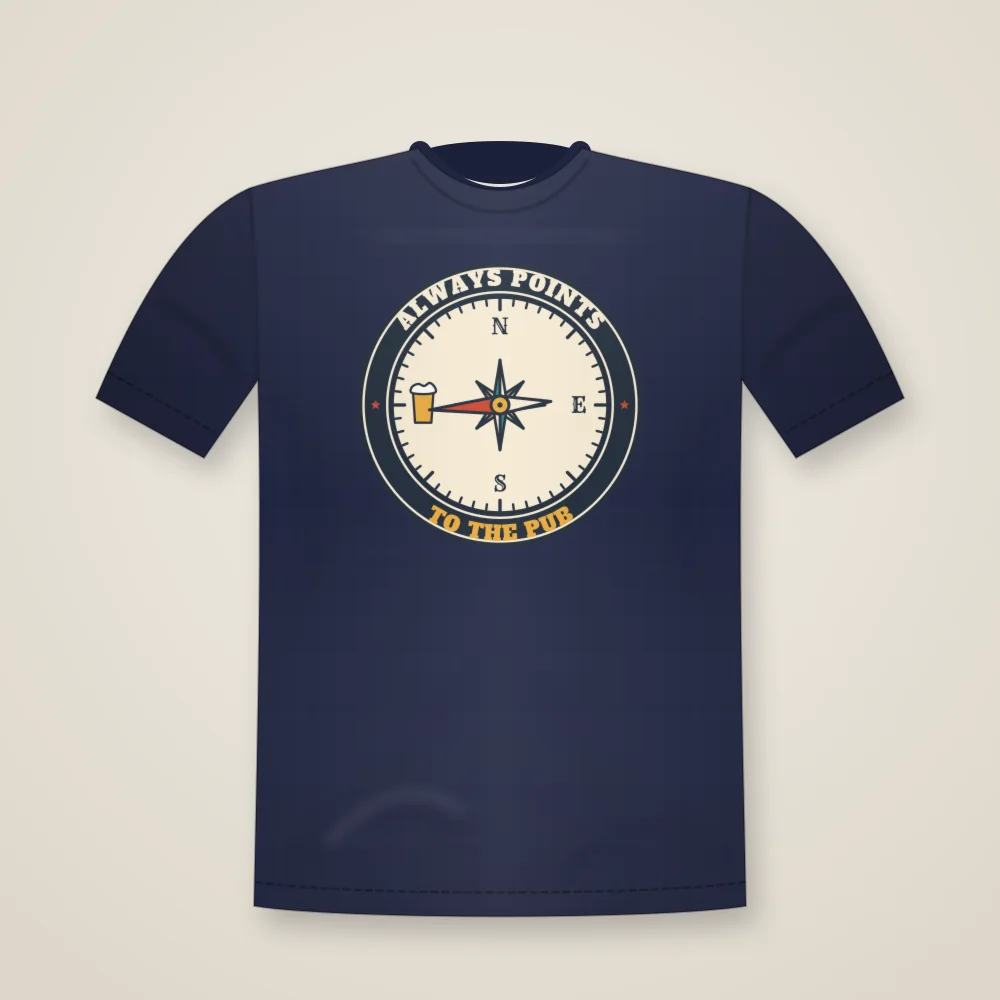
Pub Compass
It only knows one direction.Available as: T-shirts, Hoodies, Mugs, Tote bags, Posters, Stickers
 New
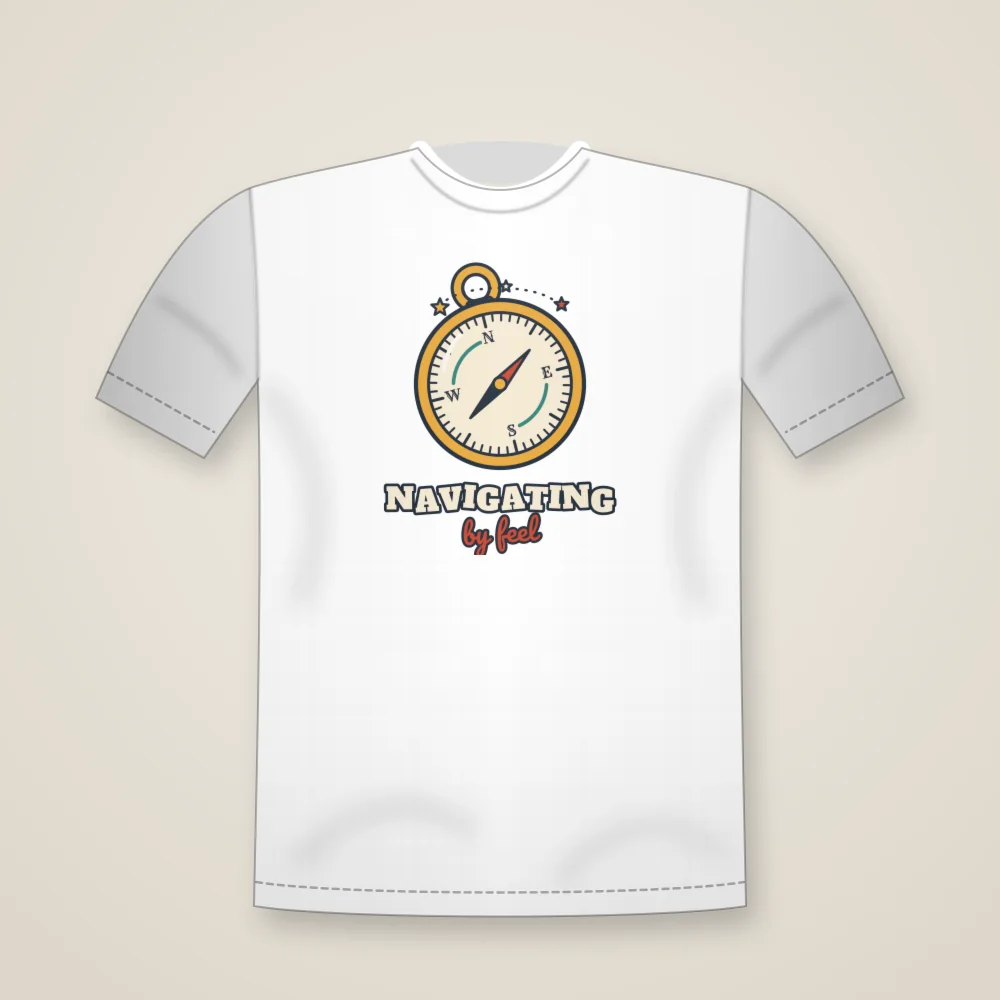
Hiccup Compass
Navigating by feel.Available as: T-shirts, Hoodies, Mugs, Tote bags, Posters, Stickers
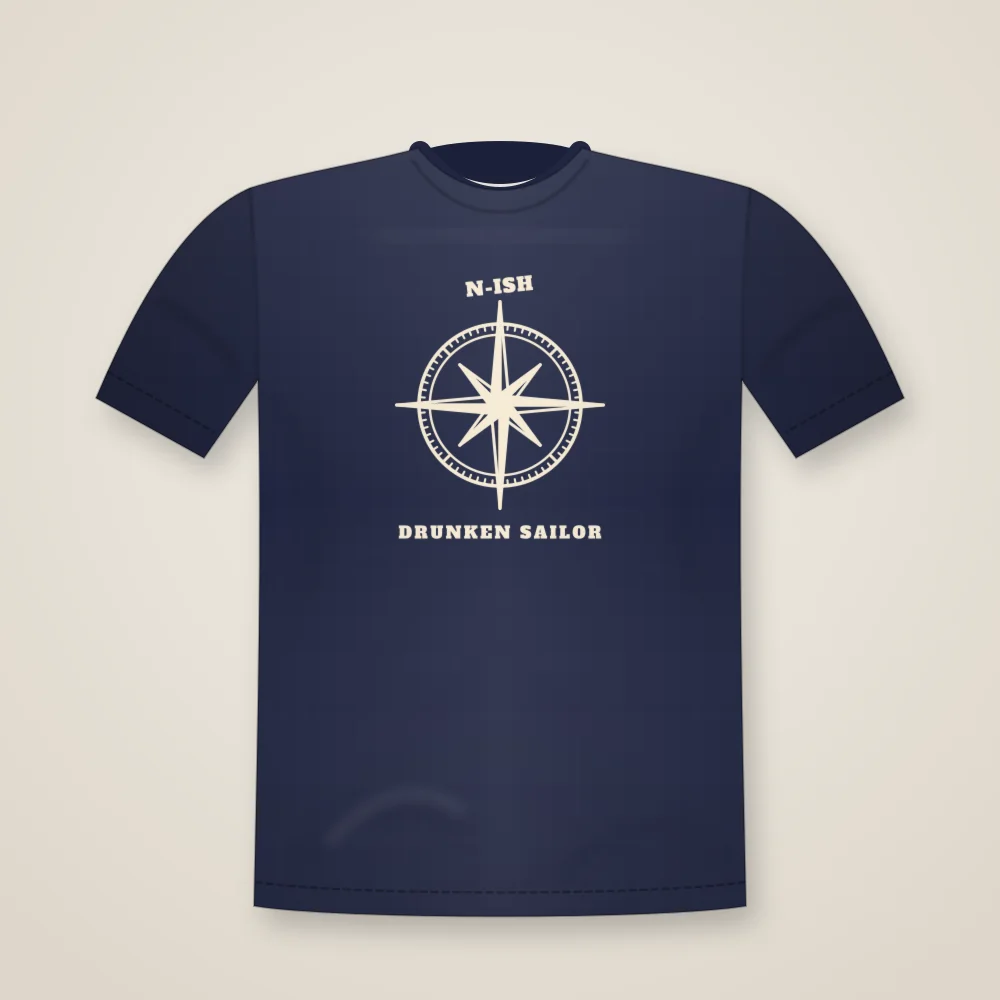
Compass Rose
A quiet chest print with a North-ish wink.Available as: T-shirts, Hoodies, Mugs, Tote bags, Stickers