"Drunken Sailor" is the shanty everyone knows: we look at what it means, where it comes from and whether it is public domain in its own article. But it is one of hundreds, and the shanty as a whole has a history worth knowing — not least because every shanty was, first of all, a tool for getting a job done.
A song with a job
Wikipedia's article on the sea shanty sums it up as a traditional work song, sung to coordinate rhythmic labour aboard large merchant sailing ships. The form grew up in the Atlantic merchant trade in the early 19th century and flourished for about fifty years. Its roots include British sailors' chants and African-American work songs.
The pattern was call and response. A lead singer, the shantyman, sang the solo lines; the crew came in on the chorus — and the heaviest pull or push landed on a particular beat. Words were flexible and often made up on the spot, and shanties were sung without instruments: the crew's hands were busy.
Different songs for different jobs
The songs were matched to the work. Wikipedia groups them roughly like this:
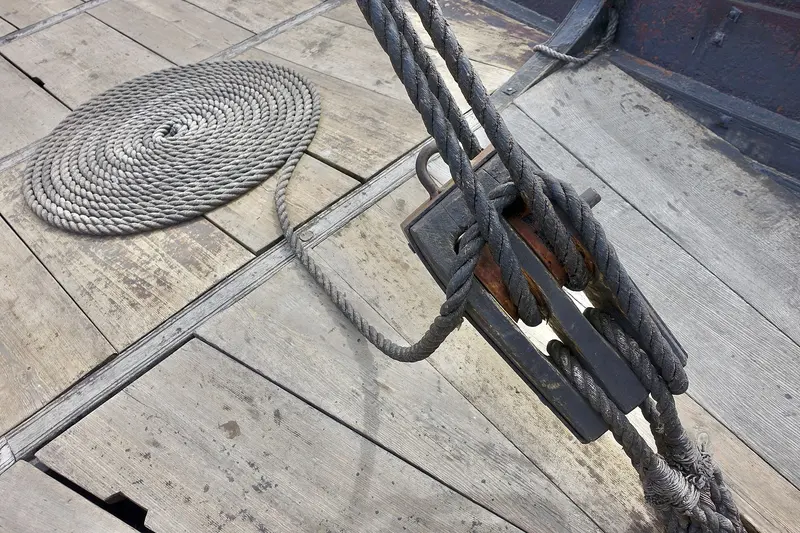
- Hauling shanties for pulling on ropes. Long-drag or halyard shanties were for long, heavy hauls such as raising a sail, with a pull on certain beats; short-drag shanties were for shorter jobs; and stamp-and-go shanties were for when the crew could take a rope and simply march along the deck with it.
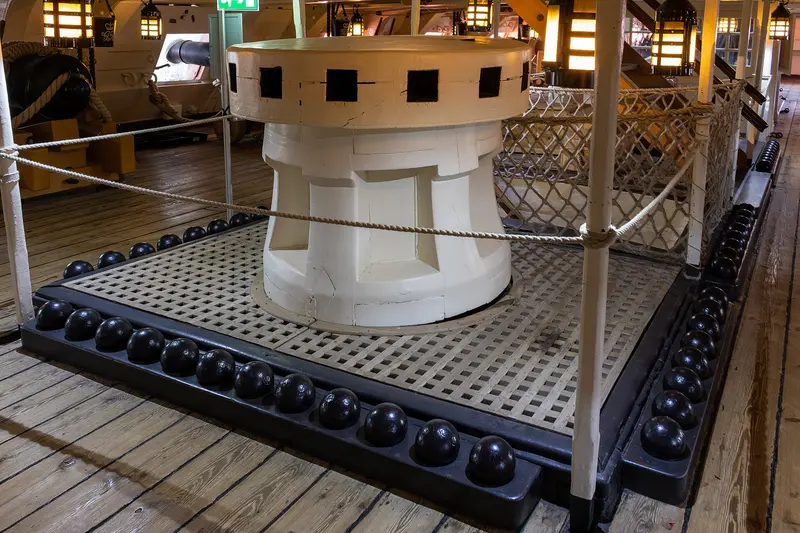
- Heaving shanties for pushing round a capstan or working a windlass — for example to raise the anchor — where the work was steady and continuous.
- Pump shanties for the never-ending job of pumping water out of a wooden ship.
"Drunken Sailor" was a stamp-and-go song — which is why it has that marching, rolling beat.
Shanty, chanty or chantey?
Nobody is quite sure where the word comes from. The common theory, says Wikipedia, is the French chanter, "to sing". The "ch" spellings stayed common in the United States, while "shanty" became the standard spelling in British and Commonwealth English by the late 20th century.
Silenced by steam
Steam ships didn't need crews hauling in rhythm, and the songs began to disappear. As early as 1882, the writer William L. Alden was lamenting their passing: "Singing and steam are irreconcilable," he wrote.
Saved by collectors — and then by the internet
Shanties survived thanks to song collectors in the early 20th century, field recordings and commercial records, and they became popular again in the folk revival of the mid-20th century. Stan Hugill's 1961 book Shanties from the Seven Seas is one of the best-known collections.
Then, from late 2020 into early 2021, shanties had an unexpected moment on TikTok. A viral video of "Wellerman" by Nathan Evans, a postman from Scotland, sent people looking for more — although, as Wikipedia points out, "Wellerman" was widely mistaken for a shanty rather than being a true work song. In the UK, shanties are still sung in pubs and folk clubs, often by groups tied to a particular port.
Try it yourself
You don't need a ship. Pick a leader with a strong voice to sing the verses; everyone else takes the chorus. Keep the verses short, the chorus loud, and let the rhythm do the work — the old songs were built for tired people who wanted the job finished, so they repeat a lot and never need a song sheet. "Drunken Sailor" itself is the easiest start: one tune, one chorus, and everybody already knows it.
Singing them this winter
Shanties make good winter singing: everyone can join the chorus, no instruments needed, and nobody minds if the verses get made up as you go. Our shanty designs use only the traditional, public-domain words — the lettering and pictures are ours.
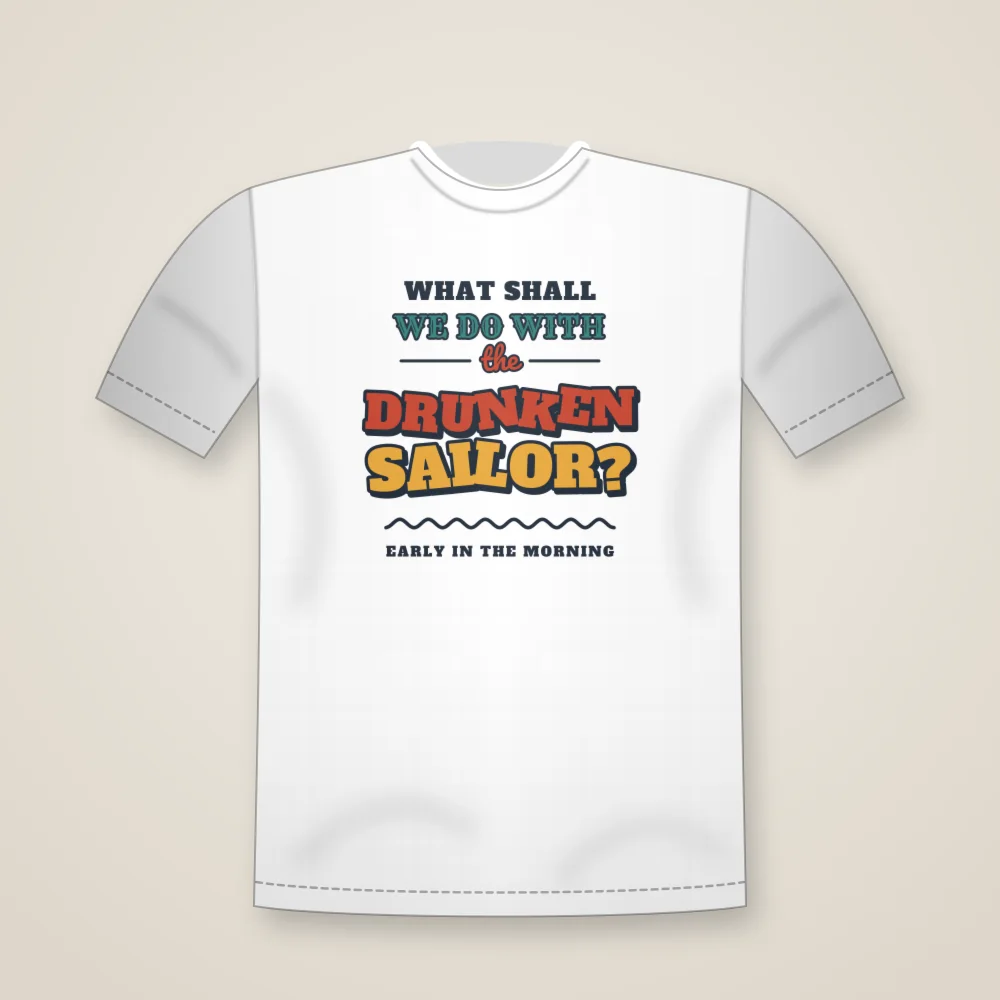
What Shall We Do?
The eternal question, set in type.Available as: T-shirts, Hoodies, Mugs, Tote bags, Posters, Stickers
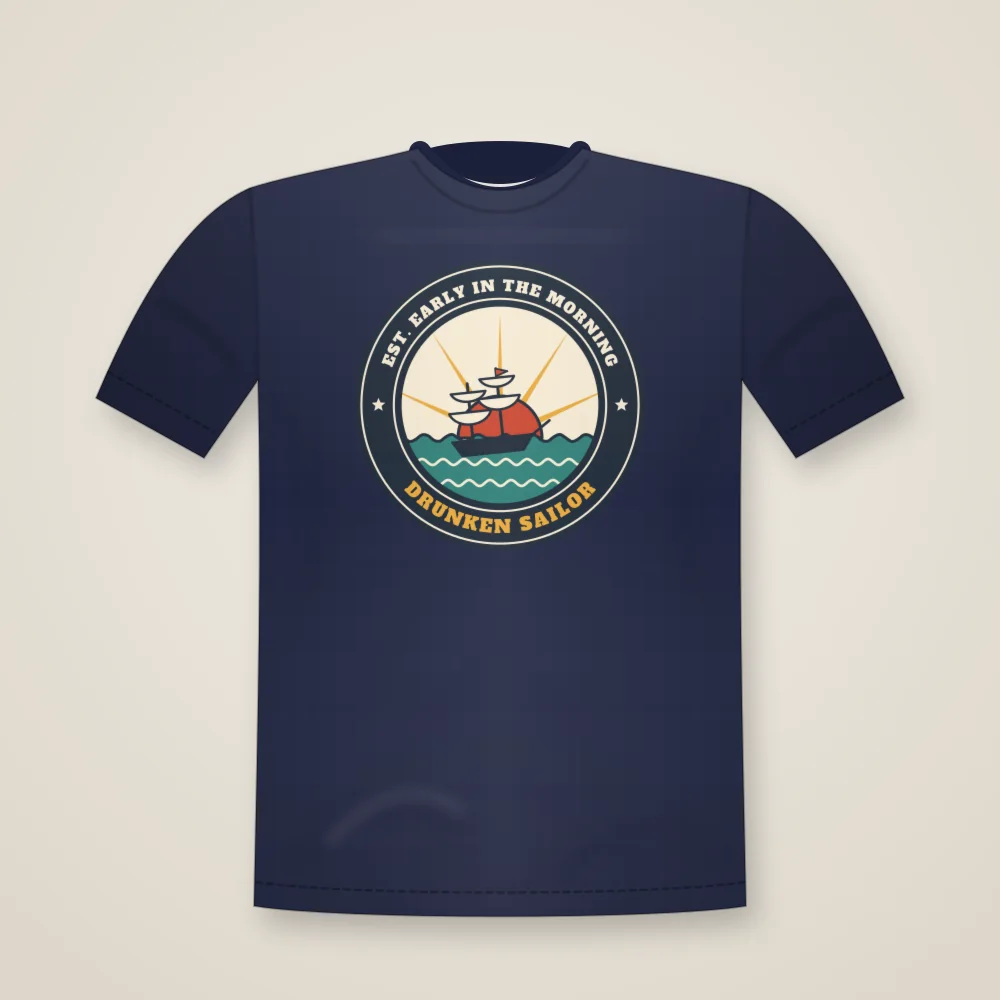
Est. Early in the Morning
A vintage badge for the dawn crew.Available as: T-shirts, Hoodies, Mugs, Tote bags, Posters, Stickers
 New
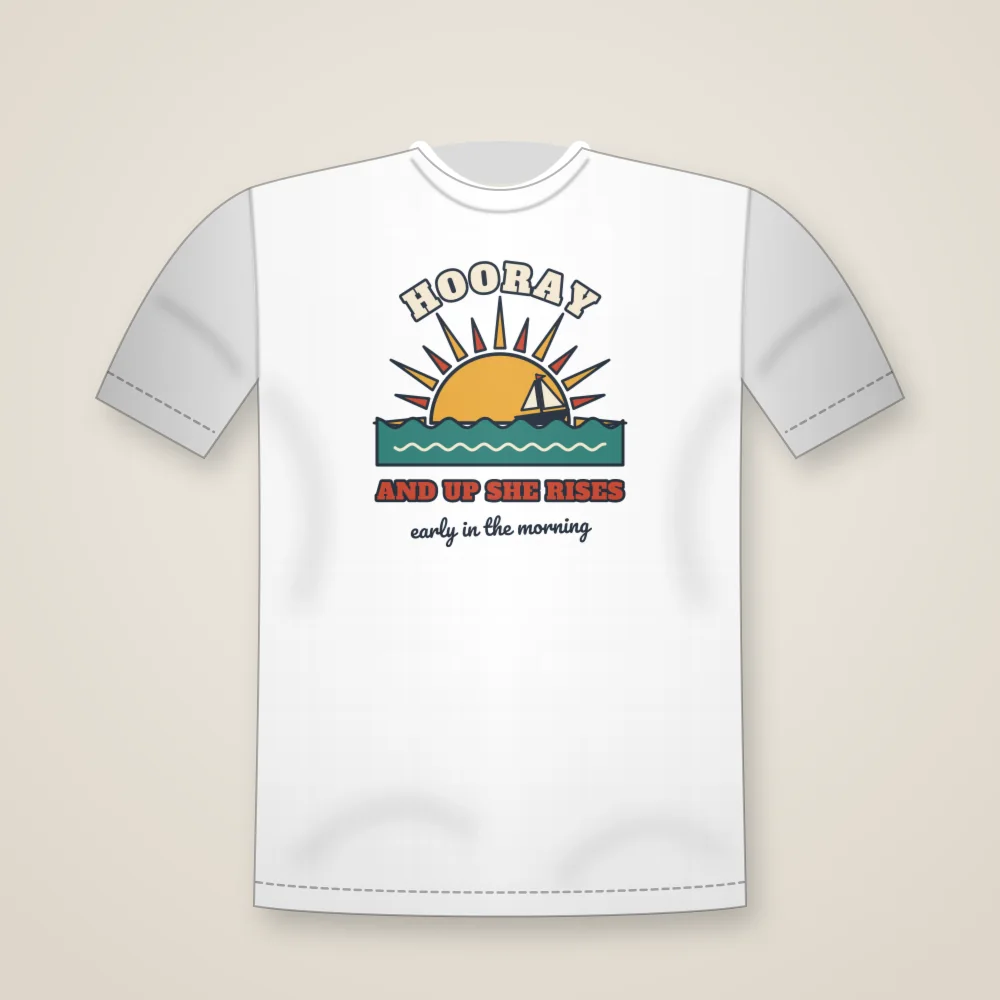
Hooray and Up She Rises
The chorus, with sunrise.Available as: T-shirts, Hoodies, Mugs, Tote bags, Posters, Stickers
 New
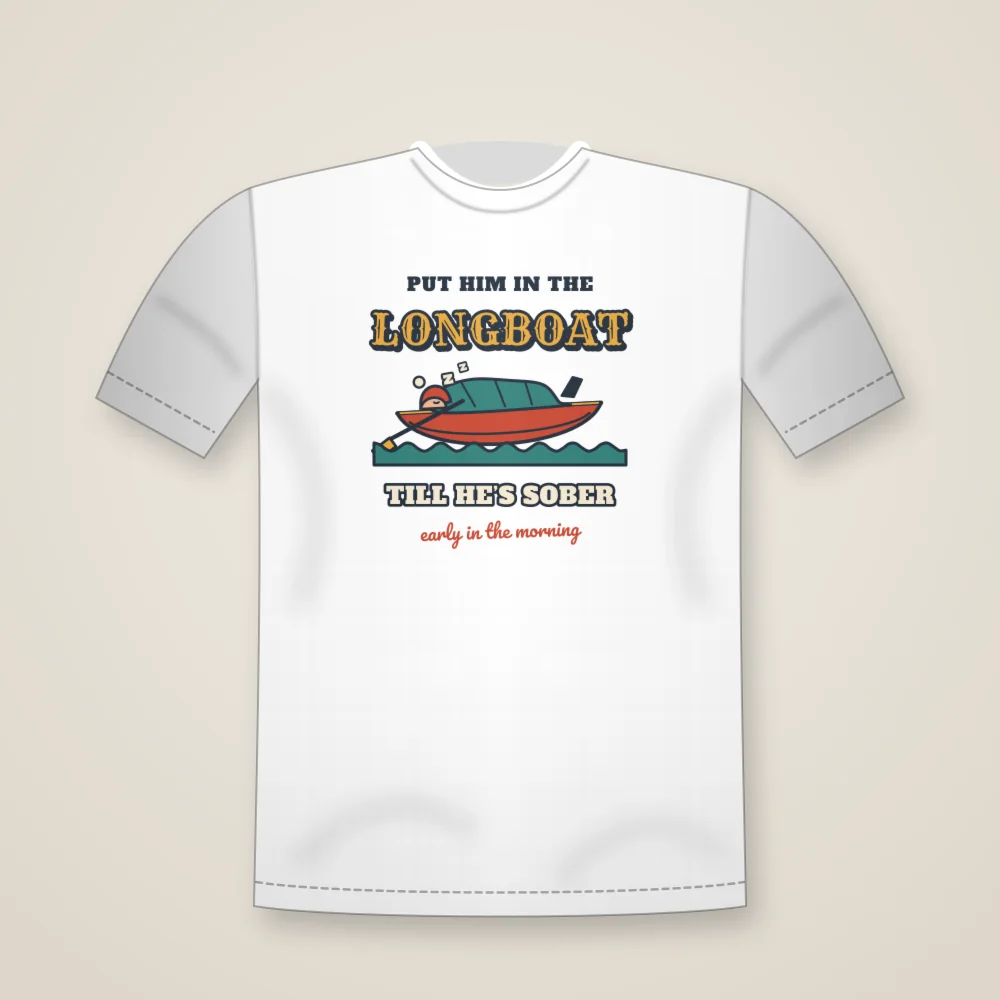
Longboat Till He's Sober
Verse two: the traditional remedy.Available as: T-shirts, Hoodies, Mugs, Tote bags, Posters, Stickers